
What commercial property managers should know about leak detection
Leaks in commercial buildings can disrupt tenants, damage inventory, and shut down operations, so property managers need a clear plan. Early detection protects the building and keeps business running. This guide covers the leak types managers face, how to spot them, and when to bring in a professional team. A leak in a commercial building isn’t just a maintenance issue, it’s tenant complaints, insurance claims, and downtime. Here’s what property managers should have on their radar.
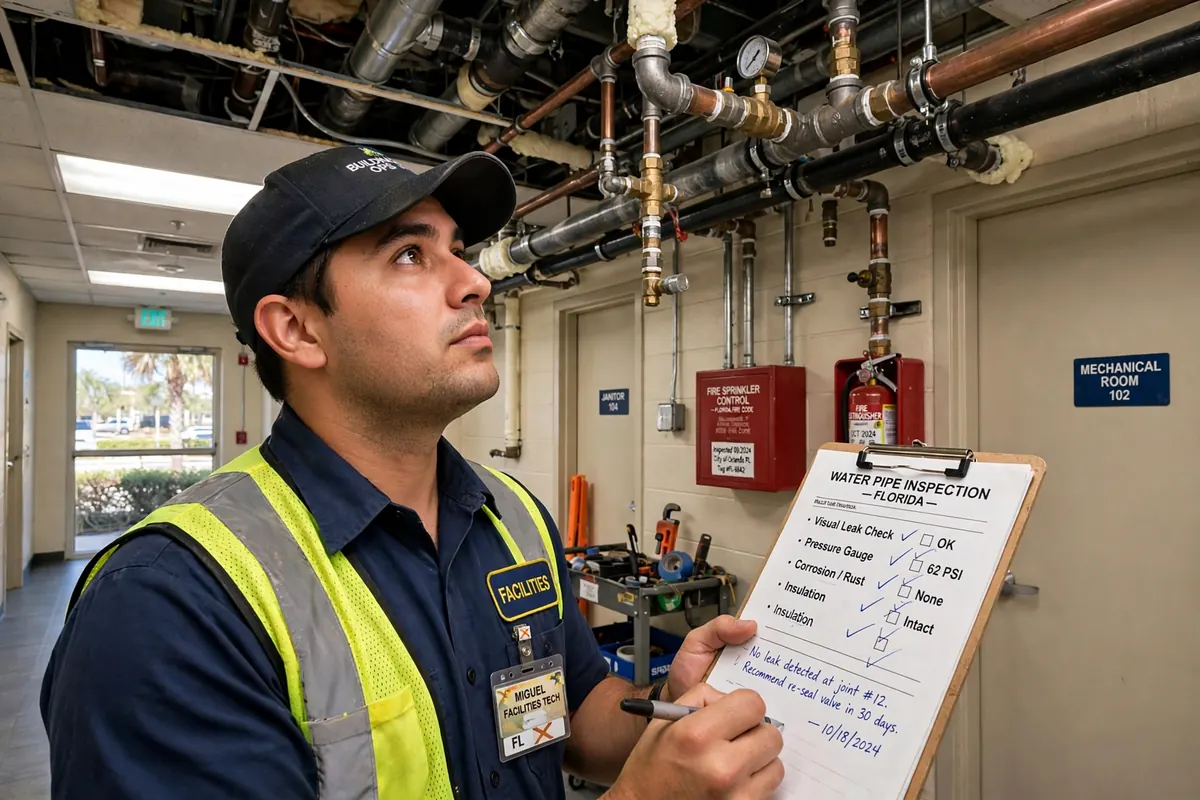
Commercial property managers must prioritize leak detection to protect their investments and ensure tenant satisfaction. Understanding the nuances of leak detection is vital for maintaining the integrity of your buildings. This article covers the importance of leak detection, common types of leaks, how to identify them, and when to call professionals in Sarasota.
What is leak detection?
Leak detection is a service that identifies and locates leaks in plumbing systems, roofs, and other structures. This process is essential for preventing damage and major repairs, especially in commercial properties where water damage can disrupt business operations.
Why is leak detection important for commercial properties?
Leak detection plays a crucial role in maintaining the value of commercial properties in Sarasota. Leaks can lead to significant structural damage, mold growth, and increased utility work. A proactive leak detection strategy can save property managers thousands of dollars in repair work and protect tenant health.
Common types of leaks in commercial buildings
Several types of leaks can affect commercial properties, including:
- Pipe leaks: These can occur due to corrosion, wear, or damage from external factors.
- Slab leaks: Often found in older buildings, slab leaks occur in the pipes beneath the foundation.
- Roof leaks: Damaged roofing materials can lead to water intrusion, affecting interior spaces.
- Water line leaks: These can lead to significant water loss and increased utility bills.
- Faucet and fixture leaks: Often overlooked, these can waste substantial amounts of water over time.
How to identify leaks in your property
Identifying leaks early can prevent extensive damage. Here are some signs to watch for:
- Unexplained increases in water bills.
- Water stains on walls or ceilings.
- Mold growth in damp areas.
- Pooling water around the property.
- Unusual sounds, such as dripping or running water, when no fixtures are in use.
If you notice any of these signs, consider contacting leak detection services Sarasota for a professional assessment.
What to watch out for
Property managers should be aware of common mistakes that can exacerbate leak issues:
- Ignoring small leaks can lead to larger problems.
- Delaying repairs may result in higher work down the line.
- Not conducting regular maintenance checks can leave leaks undetected.
When to call a professional
If you suspect a leak but cannot locate it, it's time to call a professional. Sarasota Leak Detection & Repair specializes in commercial leak detection Sarasota FL and can provide expert assistance. They can identify hidden leaks using advanced technology and ensure that your property remains safe and dry.
Frequently Asked Questions
Keep exploring
Related Articles
- What determines leak detection work in a commercial building? Leak detection work for commercial properties depends on the size of the building, where the leak sits, and how easy the spot is to reach. A retail leak calls for different work than one under a warehouse slab. Your technician explains the findings first, then lays out the next steps so you can approve the plan before work begins.
- How long does leak detection take in a commercial building? Most leak detection jobs take a few hours, including locating the source and explaining the findings. Complex situations, leaks under large slabs, inside walls across several floors, or in systems with many branches, can take longer. Your technician explains the expected timeline before work starts so you can plan around tenants and operations.
- What should I do if I find a leak in a commercial building? If you find a leak, turn off the water supply right away and call a professional leak detection service. Move stock, paperwork, and equipment away from the water, and warn tenants or staff in the affected area. A technician pinpoints the source first, then explains the repair and documents the findings for your records.
- Can I detect leaks myself? Some leaks are easy to spot, stains, pooling water, or a sudden jump in the water bill. Many leaks hide inside walls, under slabs, or in underground lines, where only acoustic sensors, thermal cameras, or pressure tests can find them. A professional visit locates the source precisely, so repairs fix the real problem instead of the visible symptom.
- What are the consequences of ignoring a leak? Ignoring a leak in a commercial building can lead to structural damage, mold growth, ruined inventory, tenant complaints, and far larger repair work later. Water spreads through walls and slabs long before it shows. Early detection keeps a small problem small, protects the building, and avoids disruption to tenants and operations.
Get help with leak detection in Sarasota
Protect your commercial property from the damaging effects of leaks. Contact Sarasota Leak Detection & Repair today for expert assistance with all your leak detection needs. Call us at (941) 393-1124.