
Sarasota's hard water is destroying water heaters - here's the fix
Sarasota's hard water leaves mineral scale inside water heaters, which cuts efficiency, causes strange noises, and shortens the tank's life. Flushing the tank and treating the water can slow the damage. This guide explains how hard water harms heaters, the signs of trouble, and the fixes that protect your system. Local plumbers see water heaters die at 7 or 8 years old here, they’re rated for 12. The culprit is Sarasota’s hard water, and it’s quietly eating your tank from the inside. The EPA's ground water and drinking water information explains what minerals do this, and the Florida Department of Environmental Protection runs the state water programs that track it locally.
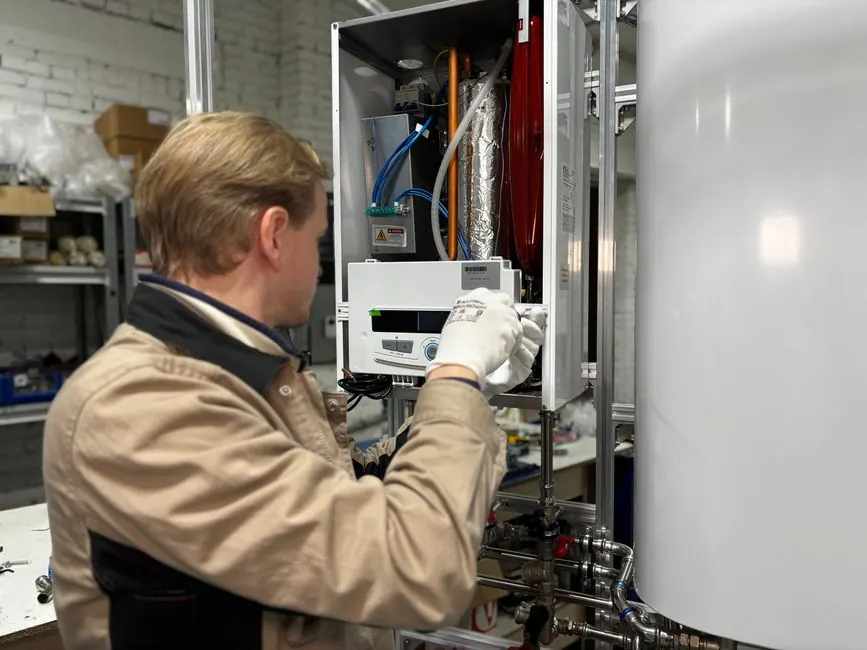
Hard water in Sarasota is a significant threat to water heaters, causing scale buildup that can lead to inefficiency and failure. The solution involves both immediate fixes and long-term preventive measures to protect your investment.
In this article, we will explore how hard water affects your water heater, signs of damage, potential solutions, and preventive practices to ensure your system runs smoothly.
How Does Hard Water Affect Water Heaters?
Hard water is water that contains a high concentration of minerals, primarily calcium and magnesium. Over time, these minerals accumulate in your water heater, leading to scale buildup that can reduce efficiency and even cause premature failure.
Signs Your Water Heater Is Affected by Hard Water
Identifying the signs of hard water damage early can save you from major repairs. Look for these indicators:
- Rusty or discolored water
- Strange noises such as popping or rumbling
- Increased energy bills due to inefficiency
- Frequent need for repairs
If you notice any of these signs, it's essential to act quickly. Regular leak detection services Sarasota can help identify issues before they escalate.
Solutions for Hard Water Damage
Once you've identified that hard water is affecting your water heater, consider these solutions:
- Flushing the Water Heater: Regularly flushing your water heater can remove sediment buildup. This process typically involves draining the tank and refilling it with fresh water.
- Descaling Agents: Using descaling agents can help dissolve mineral buildup. Follow the manufacturer's instructions for safe and effective use.
- Water Softening Systems: Installing a water softener can prevent future buildup by treating the water before it enters your heater. This is especially beneficial in areas with hard water, like Sarasota.
Implementing these solutions can prolong the life of your water heater and improve its efficiency. For comprehensive assistance, consider professional water heater leak repair Sarasota FL services.
Preventive Measures for Water Heaters
Taking preventive measures can save you money and extend the life of your water heater. Here are some effective strategies:
- Install a water softener to reduce mineral content.
- Schedule regular maintenance checks with professionals.
- Flush your water heater annually to prevent sediment buildup.
- Monitor water pressure; high pressure can exacerbate wear.
In Sarasota, many homeowners benefit from routine water pressure regulator installation Sarasota FL to manage their systems effectively.
Common Mistakes to Avoid
Many homeowners unintentionally exacerbate hard water issues by making common mistakes:
- Neglecting regular maintenance, which leads to increased buildup.
- Using improper cleaning methods that can damage the heater.
- Ignoring early signs of water heater issues.
A proactive approach is essential in preventing major repairs and maintaining a functional water heater.
When to Call a Professional
Knowing when to call a professional can save you time and trouble. If you notice persistent issues like unusual noises, frequent leaks, or significant increases in your utility bills, it's time to contact a specialist. Sarasota Leak Detection & Repair offers expert services to address hard water problems effectively.
Frequently Asked Questions
Keep exploring
Related Articles
1. How often should I flush my water heater? Flush your water heater once a year to clear sediment that settles at the bottom of the tank. Sediment buildup makes the heater work harder, causes rumbling noises, and shortens its life. In Sarasota homes with hard water, annual flushing is one of the simplest steps that keeps the system running efficiently.
2. Can hard water damage my water heater? Yes, hard water can damage your water heater. Minerals in hard water settle as scale inside the tank, which insulates the heating element, cuts efficiency, and strains the system. Over time, scale buildup can cause overheating, strange noises, and early failure. Flushing the tank and softening the water slow the damage.
3. What are the signs of a failing water heater? Signs of a failing water heater include rusty or cloudy water, rumbling or popping noises, water that runs cool too soon, and moisture or puddles near the tank. A rising energy bill can also point to scale buildup forcing the heater to work harder. If several signs appear together, call a professional before the tank fails.
4. What determines water softener installation work? Water softener installation work depends on the system you choose, where it will sit, and how your home's plumbing is laid out. A whole-home unit near the main line calls for different work than a single-fixture unit. Your technician explains the layout first, then lays out the installation steps so you can approve the plan before work begins.
5. Should I attempt repairs myself? Some water heater maintenance, such as flushing the tank or checking the pressure valve, is manageable for a careful homeowner. Complex repairs, gas lines, electrical parts, or a leaking tank, should be handled by professionals. A wrong repair can cause scalding, flooding, or further damage, so call a professional when the job goes beyond basic maintenance.
Get Help with Leak Detection in Sarasota
For effective leak detection and repair services in Sarasota, reach out to us. Our team is ready to assist you in maintaining your water heater and preventing future issues.