
Florida's sandy soil and slab leaks - what's the connection?
Florida's sandy soil shifts with wet and dry seasons, and that movement stresses pipes buried under concrete slabs. Over time, the shifting can crack or loosen connections and cause slab leaks. This article explains the connection, the warning signs to watch for, and what to do if you suspect a leak. Florida’s sandy soil shifts with the wet and dry seasons, and your slab moves with it. Here’s the connection, minus the geology lecture.
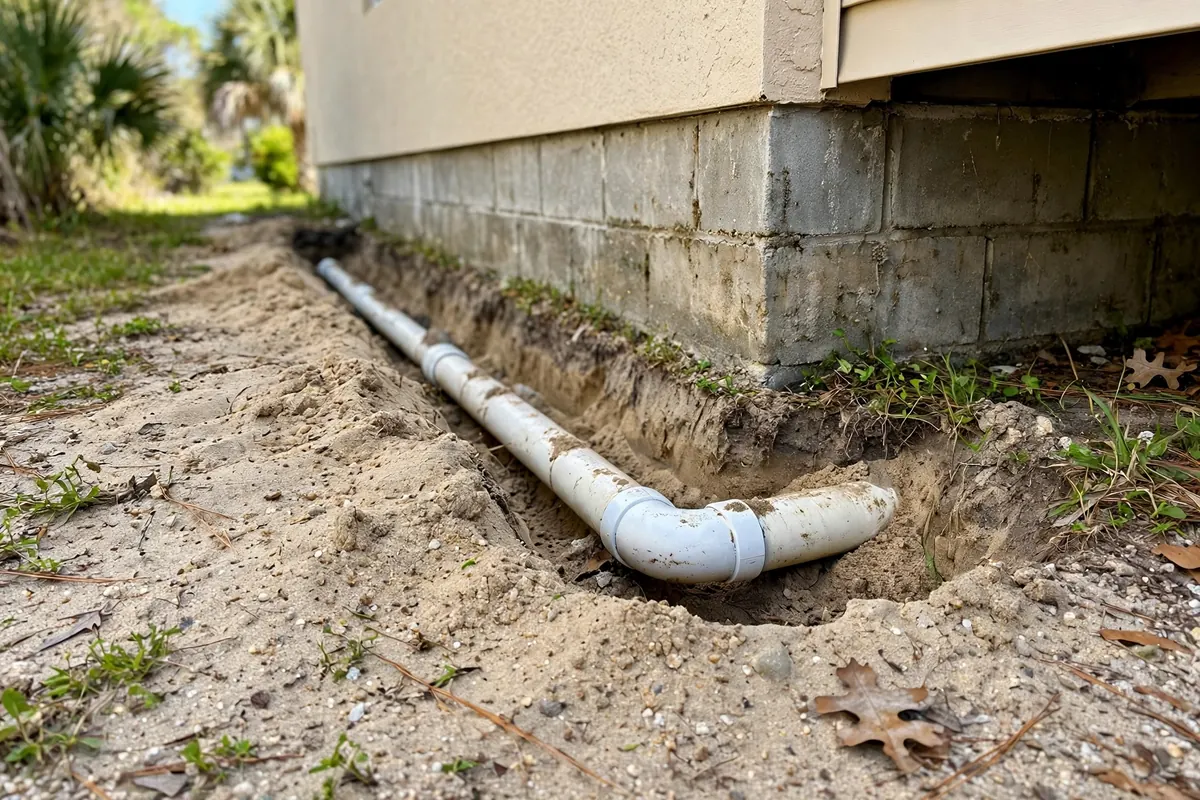
A slab leak is a plumbing issue that occurs when a pipe beneath a concrete slab leaks, often leading to significant water damage. In Sarasota, Florida, the sandy soil can exacerbate the conditions that lead to these leaks.
This article will explore the relationship between Florida's sandy soil and slab leaks, signs to watch for, common causes, and what steps to take if you suspect a leak.
What is a slab leak?
A slab leak is a leak that occurs in the pipes running beneath a concrete slab foundation. These leaks can be caused by various factors, including corrosion, shifting soil, and poor installation. In many cases, slab leaks can go unnoticed until they cause significant damage.
How does sandy soil affect slab leaks?
Florida's sandy soil contributes to slab leaks primarily due to its composition and drainage properties. Sandy soil drains quickly, which can lead to instability under concrete slabs as moisture fluctuates with the seasons. This instability can cause the foundation to shift, leading to cracks and leaks in the pipes below.
In Sarasota, homes built on sandy soil may experience more frequent slab leaks compared to those on more stable ground. The sandy texture allows for faster water movement, increasing the potential for erosion and shifting.
Signs of a slab leak in Sarasota
Identifying a slab leak early can save homeowners in Sarasota from extensive damage and major repairs. Here are some common signs:
- Unexplained increases in your water bill.
- Wet spots on the floor or carpet.
- Cracks in the foundation or walls.
- A constant sound of running water.
- Moisture or mold growth in unexpected areas.
If you notice any of these signs, it is crucial to act quickly. Early detection can lead to less invasive and less involved leak detection services Sarasota.
Common causes of slab leaks
Several factors can contribute to slab leaks in Sarasota:
- Corrosion: Over time, pipes can corrode, especially if they are made of materials like copper or galvanized steel.
- Ground movement: Shifting soil due to heavy rain or drought can create pressure on pipes.
- Poor installation: If pipes are not installed correctly, they may be more susceptible to leaks.
- High water pressure: Excessive pressure can stress pipes and lead to leaks.
Understanding these causes can help homeowners take preventive measures. Regular inspections and maintenance can significantly reduce the risk of leaks.
What to do if you have a slab leak
If you suspect a slab leak, the first step is to contact a professional for leak detection Sarasota FL. Professionals can use advanced technology to locate the leak without invasive methods. Once identified, they can recommend the best course of action, which may include:
- Repairing the affected section of the pipe.
- Re-routing the plumbing if necessary.
- Performing a complete slab leak repair.
Ignoring a slab leak can lead to serious structural damage, increased mold risk, and higher water bills.
When to call a professional
Homeowners in Sarasota should call a professional as soon as they suspect a slab leak. The longer a leak goes undetected, the more damage it can cause. Sarasota Leak Detection & Repair offers expert services to help you identify and fix slab leaks effectively.
Frequently Asked Questions
Keep exploring
Related Articles
What determines slab leak repair work in Sarasota?
The work to repair a slab leak in Sarasota depends on where the leak sits, how severe it is, and how easy the spot is to reach. Sandy soil that shifts can make access trickier and spread moisture further. Your technician explains the findings first, then lays out the repair options so you can approve the plan before work begins.
How long does a slab leak repair take in sandy soil?
In sandy soil, a slab leak repair can take a few hours for a simple spot repair, or a couple of days when access is tight, the line must be rerouted around the slab, or the soil keeps shifting under the home. Sandy ground digs easily but also collapses easily, so the plan, the access point, and the repair method set the timeline more than the leak size alone.
Can slab leaks be prevented?
While not all slab leaks can be prevented, regular plumbing inspections and maintaining proper water pressure can significantly reduce the risk.
What should I do if I find a wet spot on my floor?
If you notice a wet spot on your floor, turn off your main water supply and call a professional immediately to assess the situation.
Is slab leak detection a major job?
Slab leak detection is usually not a major job. Acoustic sensors and thermal cameras locate the leak through the slab without tearing up large areas of flooring. Most visits focus on finding the source first, then explaining what the repair involves. The size of the job depends on where the leak sits and how far the moisture has spread.